
Trust is hard to come by in the digital world. Cyber attackers use stolen credentials or endpoint vulnerabilities to gain network access. One access management mistake can lead to catastrophic consequences.
The zero-trust approach solves this problem by trusting nobody Security tools verify every user request, block unknown user identities and devices, and keep data safe.
Micro-segmentation is a core part of the zero-trust toolkit. This article explains how segmentation works, why it matters, and how to use segmentation in zero-trust solutions.
What is zero-trust micro-segmentation?
Zero-trust micro-segmentation is a security technique that protects specific workloads and data sets by dividing your network into separate, isolated zones. It guarantees that even in the event of a breach, the threat is contained and cannot spread by implementing security policies at the resource level rather than just at the perimeter, which allows organizations to meet Zero Trust Network Access (ZTNA) goals with much higher precision.
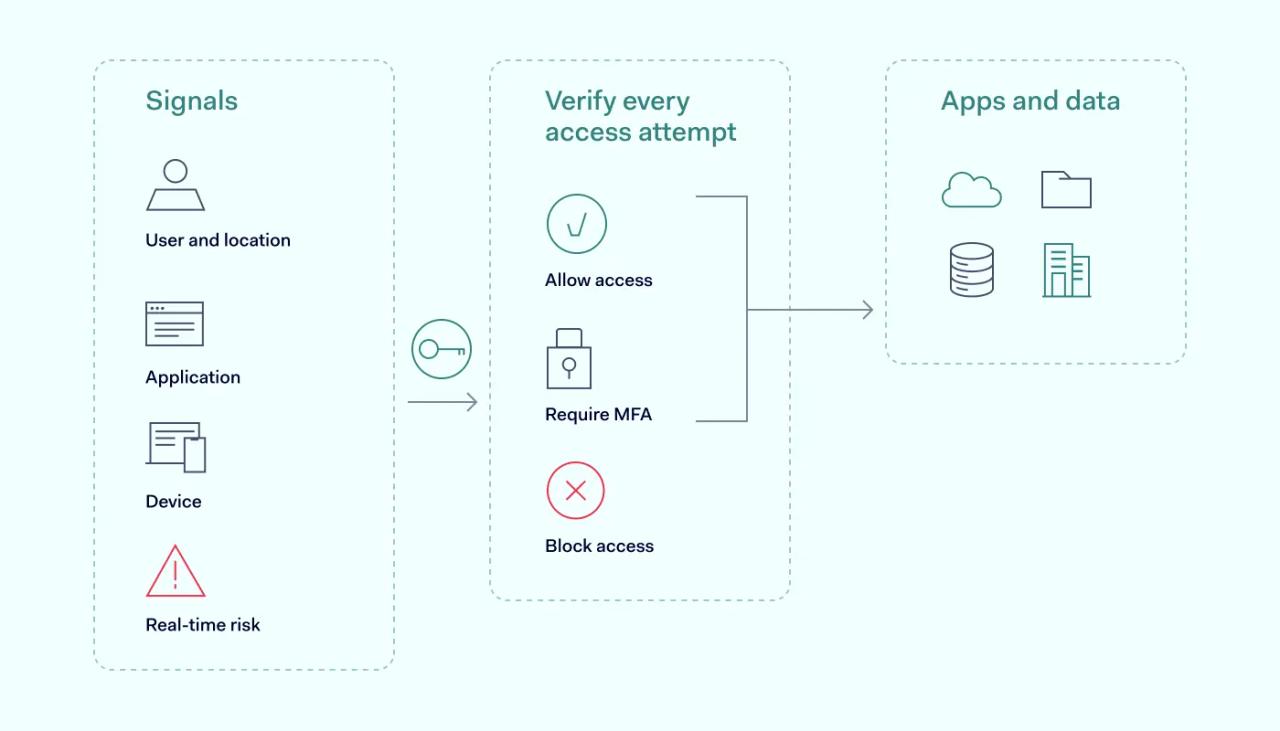
Segmentation creates internal "walls" within a network. Users can only pass through these walls with the correct access privileges.
Under ZTNA, segments hold sensitive data or applications Containing vital assets shrinks the threat surface, making life harder for cyber attackers.
How zero-trust micro-segmentation works
Traditional network segmentation relies on physical firewalls to divide infrastructure into broad zones, whereas zero-trust micro-segmentation takes a much more precise approach and applies security controls directly to individual workloads.
Because this method uses software rather than hardware to define those boundaries, the access policies are applied to the data itself rather than to physical routing. As a result, your protection remains completely consistent whether a specific application is running on an on-premises server or shifting across a distributed data center.
And so by moving the access controls directly to the workload, you change how access is managed across the organization. Instead of granting wide visibility the moment a user bypasses the main network perimeters, a zero-trust architecture assumes the internal environment is already hostile and demands strict identity verification for every single connection request. Enforcing this level of granular control is exactly how you prevent lateral movement—if a credential or device is compromised, the attacker remains trapped within that single isolated segment, completely cut off from the rest of your infrastructure.
What is the role of segmentation in zero-trust security?
Network segmentation is a critical component of zero-trust security solutions. Zero trust relies on identity verification and access control. Segmentation allows organizations to verify identities and devices before granting access to network assets.
Without segmentation, all users connected to the network would have free access to internal network resources. Attackers with stolen or brute-forced credentials could extract data or implant malware Segmentation limits lateral movement dramatically cutting risks.
Software-defined micro-segmentation also extends naturally to cloud environments Companies can secure hybrid clouds, on-premises assets, and remote work devices. Network admins can extend security controls consistently across all assets, cutting the risk of exposed endpoints.
The benefits of micro-segmentation in ZTNA security
The most obvious win is a reduction in your attack surface. By using granular control to give people access to only what they need for their specific job, you stop "over-privilege" before it starts. However, there are 3 critical, albeit perhaps less obvious, ways in which zero-trust micro-segmentation has benefited ZTNA:
- Access control ZTNA segmentation allows granular control of who accesses applications or business data. Network admins can apply the principle of least privilege connecting users with workloads related to their roles and blocking access to other assets.
- Network visibility Micro-segmentation helps security teams understand their network architecture. Admins can monitor traffic passing across internal network boundaries. Software agents deliver in-depth data about user activity, making it easier to spot potential threats.
- Regulatory compliance Regulations like HIPAA or NIS2 demand tight protection for client data. ZTNA segmentation is a reliable way to lock down confidential data from malicious actors while allowing access to those who need it.
How should you implement zero-trust segmentation?
Network segmentation for zero trust requires planning, awareness, and careful implementation The steps below outline a typical segmentation strategy.
1. Group applications into logical segments
According to the zero-trust model secure zones should contain the resources needed for employee workloads. For instance, sales teams need access to product and client databases but won't need access to financial data or DevOps environments.
Remember that more segments mean a higher workload and greater complexity. Admins must manage access policies for every network segment. Interoperability can also become a concern in hybrid or multi-cloud environments.
2. Source the right tools
ZTNA micro-segmentation requires the right tools to deliver granular access control. The critical technologies are software-defined networking (SDN) and network function visualization (NFV).
NFV virtualizes network security tools, while SDN centralizes security controls. SDN and NFV allow you to define segments at the application level and toggle access across the network.
Containerization environments such as Kubernetes clusters can serve as the infrastructure for network segmentation. However, users must secure data containers with access controls and authentication systems to limit lateral movement between network assets.
3. Establish permissions for network users
Permissions define whether users can access logical network segments. Define access policies for all network users that align with their roles and professional needs.
Permissions should align with logical micro-segmentation policies. However, human organizations and network architecture are far from identical. Some users may need greater access than other colleagues, and some may also need regular temporary privilege elevations.
A good rule when mapping privileges is to consult departmental managers. It's also important to audit privileges to avoid situations like permanent administrative powers.
4. Apply segmentation to non-human users
A zero-trust strategy only works when micro-segmentation regulates non-human and human network users. Remember to apply authentication and authorization systems to API interactions or automation technology. ZTNA security controls trust nobody Every access request requires verification.
How to achieve ZTNA segmentation
A zero-trust micro-segmentation strategy gives you granular control over network security and helps protect critical data. However, segmentation alone is not enough. Comprehensive zero-trust solutions cover every aspect of network security.
Securing your critical assets and preventing data breaches is key for your business. Deploy tools that allow users to apply micro-segmentation, connecting teams with relevant workloads and blocking unauthorized access.
Cloud firewalls play a central role in achieving zero-trust goals. Additionally, consider implementing virtual private gateways with fixed IP addresses. These can be used to allowlist sensitive resources, ensuring only authorized users can access them. You can create separate gateways for different teams or manage access with a single virtual private gateway paired with Cloud Firewall access control lists. This setup allows for granular network access tailored to your business needs.